

 English
 Bulgarian
 French
 German
 Spanish
 Italian
 Dutch
Dutch

Faster Turnaround. Higher Quality. Lower Costs.
End-to-end language services powered by automation — so your content reaches every market on time and on budget.

Technology-Driven Translation for Global Brands
Advanced CAT tools, TMS integration, and AI-assisted workflows — delivering consistent multilingual content at scale.

10,000+ Experts. 140+ Languages. One Partner.
A global network of translators, editors, copywriters, and voiceover artists — trusted by Fortune 500 companies and certified to ISO 17100.
Trusted by Global Brands


Why Opticentre?
We combine human expertise with AI-powered workflows to deliver faster, more accurate language services.
140+ Languages
Native-speaking translators covering every major language pair worldwide.
AI-Powered Quality
Machine learning enhances consistency, speed, and terminology management.
ISO Certified
ISO 17100, 9001, and 18587 certified processes for guaranteed quality.
Fast Turnaround
Automated workflows and 10,000+ professionals deliver projects on time, every time.
0+
0+
0+
0+
Industries We Serve
Specialized translation for every sector — from tech startups to Fortune 500 enterprises.
Ready to Go Global?
Get a free quote in minutes. No commitment, no hidden fees.
REQUEST A FREE QUOTELanguage and Localization
Los servicios de idiomas y localización adaptan el contenido a audiencias globales garantizando una traducción precisa, relevancia cultural y una experiencia de usuario fluida en distintas regiones.
Professional Translation
Professional translation involves accurately converting text from one language to another while maintaining its meaning, tone, and context. Skilled translators with subject-matter expertise ensure linguistic precision, cultural relevance, and adherence to industry standards.
Read more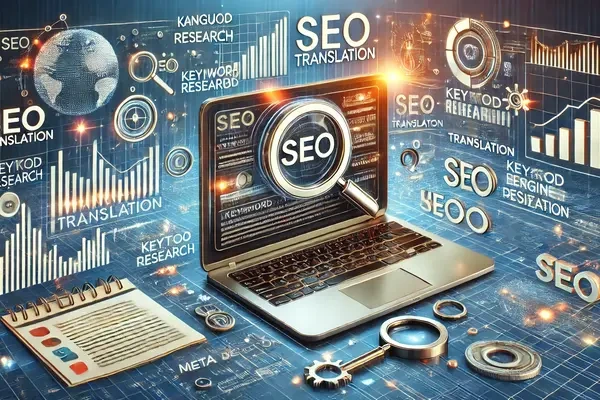
SEO Translation
SEO translation goes beyond direct translation by optimizing content for search engines in the target language. It involves keyword research, adapting meta descriptions, and ensuring that translated content aligns with local search trends to improve online visibility and rankings.
Read more
Professional Proofreading and Editing
This service ensures that translated or original content is free from errors, grammatically correct, and stylistically polished. Proofreaders focus on spelling, punctuation, and grammar, while editors refine structure, clarity, and consistency to enhance readability and effectiveness.
Read more
Localization
Localization adapts content to suit the linguistic, cultural, and regional preferences of a specific audience. This process includes modifying images, formats, currencies, date formats, and idiomatic expressions to ensure a seamless user experience in the target market.
Read more
Game Localization
Game localization tailors video games for different markets by translating dialogues, adapting cultural references, modifying UI elements, and ensuring that humor, slang, and gameplay mechanics resonate with players worldwide. It may also include voice-over recording and subtitle integration.
Read more
Transcreation and Copywriting
Transcreation blends translation with creative writing to craft compelling marketing content that resonates with local audiences. It involves reimagining slogans, advertisements, and branding messages to evoke the same emotions and impact as the original content.
Read more
Cultural Consulting and Brand Name Analysis
Cultural consulting helps businesses navigate cultural nuances to avoid unintended misinterpretations or offense. Brand name analysis ensures that product names, slogans, and messaging are culturally appropriate and have positive connotations in the target language.
Read more
Multilingual Content Creation and Copy Adaptation
This service focuses on developing original content in multiple languages while preserving brand identity and message consistency. Copy adaptation ensures that the tone, style, and intent remain intact across different linguistic and cultural contexts.
Read more
Machine Translation Post-Editing (MTPE)
MTPE involves reviewing and refining machine-translated content to improve accuracy, fluency, and readability. Professional linguists correct errors, enhance naturalness, and ensure the translation aligns with brand guidelines and industry terminology.
Read more
Terminology Management and Glossary Creation
Terminology management ensures consistency across translations by maintaining a database of industry-specific terms, approved translations, and preferred word choices. Glossary creation helps translators and content creators maintain brand voice and accuracy across all languages.
Read more
Linguistic Brand Management
Linguistic brand management involves overseeing a company's language strategy to maintain a consistent brand identity across all markets. It includes terminology standardization, style guide development, and ensuring that all multilingual content aligns with brand values and messaging.
Read moreDesktop Publishing and Technical Content
Estos servicios garantizan documentos multilingües con formato profesional, conversión de contenido, autoría estructurada (DITA/XML) y desarrollo de eLearning para una comunicación global sin fisuras.
Multilingual Desktop Publishing (DTP)
Multilingual DTP ensures that translated content is formatted correctly for print and digital media. This includes adjusting layouts, fonts, images, and text expansion or contraction to maintain the original design integrity across multiple languages. It is crucial for documents such as brochures, manuals, and marketing materials.
Read more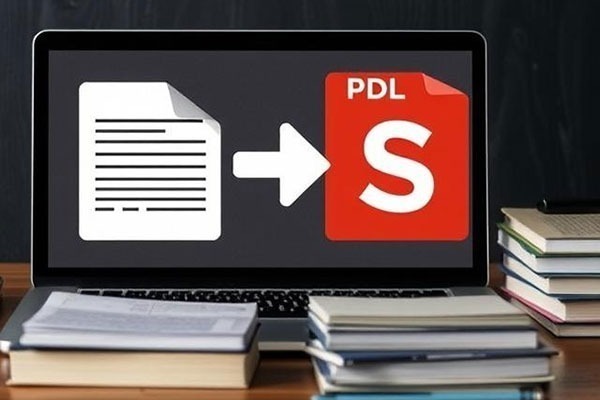
Content Conversion and Format Migration
Content conversion and format migration involve transforming documents from one format to another while preserving structure, styling, and usability. This service is essential for transitioning from legacy formats (e.g., PDFs, Word, or InDesign) to structured formats like XML, HTML, or Markdown for better content management and reusability.
Read more
DITA and XML Content Management
DITA (Darwin Information Typing Architecture) and XML content management enable structured authoring and content reuse. These methods help businesses manage large-scale technical documentation efficiently by enabling content modularization, automation, and multi-channel publishing. This is especially useful for user manuals, knowledge bases, and regulatory documents.
Read more
eLearning Content Development
eLearning content development involves designing and creating educational materials for online training programs, courses, and corporate learning modules. This includes scriptwriting, instructional design, multimedia integration (videos, animations, quizzes), and localization to make the content engaging and accessible to global audiences.
Read moreAudio and Video
Los servicios profesionales de audio y vídeo incluyen locución, subtitulación, transcripción, edición y optimización para mejorar la accesibilidad, el engagement y la localización para audiencias globales.

Voice Over
Voice-over services involve recording professional narration in multiple languages and accents for various media, including eLearning courses, advertisements, video games, corporate presentations, and entertainment content. Skilled voice artists ensure accurate pronunciation, tone, and emotion to match the intended audience and purpose.
Read more
Video Subtitling
Video subtitling involves adding translated or same-language subtitles to videos, ensuring accuracy, synchronization, and readability. This service helps businesses reach global audiences, improve accessibility, and comply with localization standards for streaming platforms, corporate videos, and marketing content.
Read more
Audio Transcription and Captioning
This service converts spoken content from audio and video recordings into written text. Captions include time-coded text displayed on-screen to improve accessibility for the deaf and hard-of-hearing community, while transcription provides text versions of recordings for documentation, SEO, or legal purposes.
Read more
Advanced Editing with Descript and Other Tools
Using tools like Descript, Adobe Premiere Pro, and AI-driven software, this service enhances audio and video content by removing background noise, refining speech clarity, auto-generating subtitles, and enabling seamless editing through text-based and waveform-based techniques. It’s particularly useful for podcast production, interviews, and professional video editing.
Read more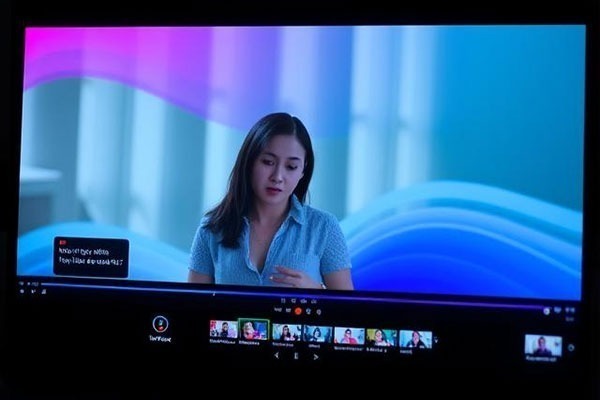
Social Media Video Editing and Optimization
This service focuses on editing videos specifically for social media platforms like YouTube, Instagram, TikTok, and LinkedIn. It includes optimizing aspect ratios, adding engaging subtitles, inserting animations, and compressing file sizes for fast loading while maintaining high-quality visuals. The goal is to create visually compelling, algorithm-friendly content that maximizes engagement.
Read moreQA and Testing
Garantizamos la precisión lingüística, la funcionalidad y la accesibilidad en distintos idiomas y plataformas para ofrecer una experiencia de usuario impecable.

Multilingual Software Testing
Ensuring applications function correctly across different languages and regions, maintaining usability, functionality, and performance.
Read more
Language Quality Assurance (LQA)
Evaluating translated content for accuracy, fluency, and cultural relevance, ensuring high-quality and natural translations.
Read more
Accessibility & Inclusive Content
Optimizing digital content for accessibility, ensuring compliance with WCAG standards and inclusive experiences for all users.
Read moreDigital Solutions and AI Services
Questi servizi includono localizzazione di siti web, implementazione di CMS, sviluppo web e di app, social media marketing e integrazione IA, con l'obiettivo di ottimizzare la presenza digitale, automatizzare i processi e rafforzare il coinvolgimento degli utenti tramite tecnologie avanzate.
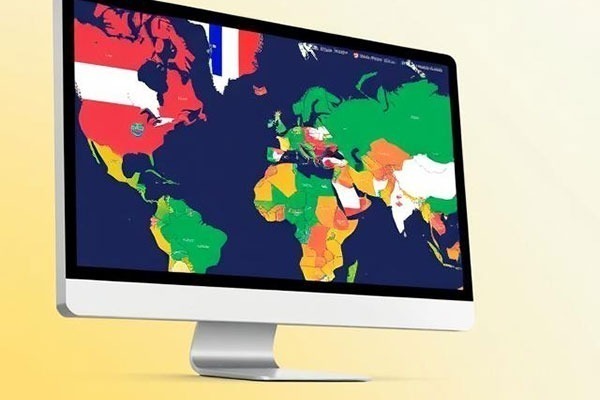
Website Localization and International SEO
Website localization ensures that a website is adapted for different languages, cultures, and regions while maintaining functionality and user experience. This includes translating content, modifying images, adjusting date formats, and optimizing layouts. International SEO ensures that the localized website ranks well in local search engines by using region-specific keywords, hreflang tags, and culturally relevant content strategies.
Read more
EXIQZE CMS Implementation and Support (HTML, Copy, Code)
EXIQZE CMS implementation and support involve setting up, customizing, and maintaining content management systems for efficient website management. This includes configuring HTML-based templates, ensuring seamless content integration, and optimizing website performance. Support services may include troubleshooting, security updates, and training content teams to use the CMS effectively.
Read more
Website Design and Development
This service covers the creation of visually appealing and user-friendly websites, tailored to business goals and user needs. It includes UX/UI design, front-end and back-end development, responsive design for mobile and desktop, and integration with various platforms (e.g., e-commerce, CRM, or analytics tools).
Read more
Web and iOS App Development
Web and iOS app development focuses on building high-performance applications for online platforms and Apple devices. It includes UI/UX design, coding, backend development, API integration, and rigorous testing to ensure smooth functionality. Apps are optimized for speed, security, and usability to provide a seamless user experience across devices.
Read more
Social Media Marketing
This service involves developing and executing marketing strategies to grow brand presence on platforms like Facebook, Instagram, LinkedIn, Twitter, and TikTok. It includes content creation, ad campaign management, audience targeting, analytics tracking, and engagement optimization to drive brand awareness, conversions, and customer engagement.
Read more
Data Annotation and AI Training Support
Data annotation is the process of labeling data (text, images, audio, or video) to train AI models for machine learning applications. This service includes manual and automated annotation techniques such as image tagging, text categorization, sentiment analysis, and speech recognition labeling, ensuring high-quality datasets for AI training.
Read more
AI Services and Integration
AI services and integration help businesses leverage artificial intelligence for automation, data analysis, chatbots, recommendation engines, and predictive modeling. This includes implementing AI-powered solutions like NLP-based virtual assistants, AI-driven content generation, workflow automation, and integration of AI tools with existing business systems.
Read more